- TRAX Newsletter
- Posts
- 'Streaming 2.0' - How music is set to change by 2030
'Streaming 2.0' - How music is set to change by 2030

Henry
January 20, 2025
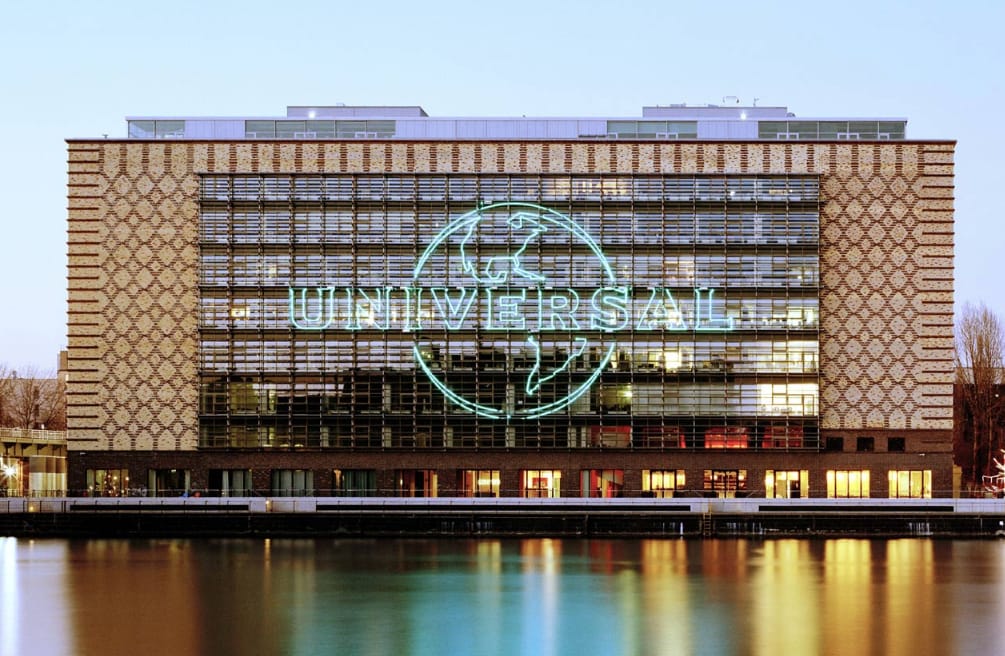
Universal Music Group is applying pressure on streaming platforms to adapt to new ‘artist'-centric’ market trends
Universal Music Group’s (UMG) uneasy relationship with major music platforms is no industry secret. UMG negotiated with Deezer in 2023 to depose ‘functional music’ in favour of original work from legitimate artists; insisting on higher payouts for those with a minimum of 1,000 streams and 500 unique listeners per month. The following year, UMG withdrew consent for its artists’ music to be used as backing tracks (‘sounds’) for TikTok creators across the board. The label cited royalties were only a ‘fraction’ of what artists were expecting to earn from their key role in the TikTok ecosystem.
The divide is growing between large music organisations, who understand professional artists as key drivers of traffic, and tech platforms, who regard artists as interchangeable (‘content creators’) and user taste as malleable. The ensuing conflict raises an existential question for digital music. Is the product on music platforms the music itself, to which the UX is secondary, or is it in fact the way that users are made to consume it, through algorithms, playlists, and so on?
Spotify especially has played its role in altering the balance of power. Under its Wrapped feature, the platform recommends users their favourite artists and tracks, but not their most listened-to albums. Artist-curated projects are increasingly obsolete in a world of now much shorter songs, with playlist-ability and viral potential shouldering most of the value. Likewise, changes to the way that artists are compensated via the platform, and reluctance to share detailed user data even with top-performing artists, point to a certain self-assuredness in the streaming platform, and a totally different vision for the future that deprives labels of the symbolic significance of ‘owning the masters’. As the industry at large becomes more consolidated, gestures and provocations by key players are becoming the rule.
Against this background, UMG’s tactical use of the ‘streaming 2.0’ in press releases is a formidable response - ‘Yes streaming is a primary part of our ecosystem…[but only with seismic changes made to its execution]’. A reflection of labels’ growing confidence in emerging routes to market - especially the direct-to-fan or ‘superfan space’ - the promotion points to changes in digital music affected by new platforms and trends among artists.
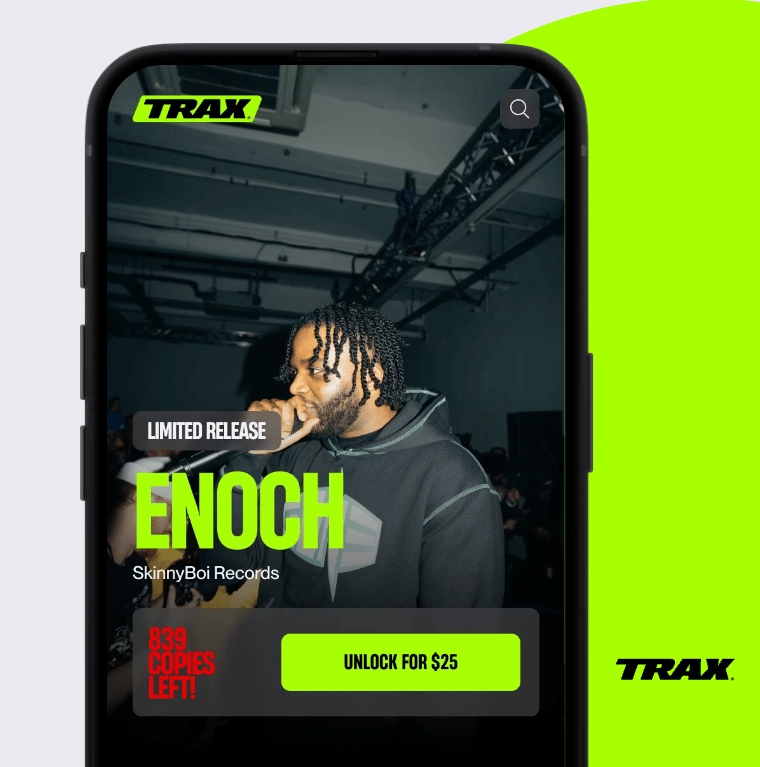
Platforms like TRAX are changing the balance of power in digital music
As the group most vulnerable to changes in the industry, artists and their teams stand to benefit from the new disruptive approach. But what does the future look like, especially for artists at the lower end of the growth spectrum?
The market from a consumer perspective will become more differentiated. If not paying for new music outright, listeners will increasingly find themselves taking a more active role in the digital circles of their favourite artists. Streaming platforms that do not adapt will be relegated in the new arena, catering to a second tier of more passive fan-artist relationships, and importantly, without the same cultural capital that enabled top-down control of consumer listening habits. Moreover, as the era of superartists - totally globalised artists with cross-demographic support - comes to a close, the proposition of finding superfandom in smaller acts will find renewed interest. As a result, emerging artists leveraging short-form content on Instagram and TikTok may find these platforms with a more distinct role in their growth funnel. Content with viral potential catches the attention of would-be fans, while exclusive content and incentives on other platforms draw them closer into the artist’s ecosystem. Once these leads become qualified, artists will discover opportunities to make sales and collect data not previously available to them on the ‘Streaming 1.0’ generation of apps.
It’s important in this sense to treat artists as legitimate subjects of business criticism/analysis. Rob Abelow calls this out in his post ‘Artists are the worst direct to consumer brands on the internet’; with the right tools and mindset artists can overcome the concentration of power in one or two digital platforms; building their communities over time rather than gaming algorithms to compete for attention.